
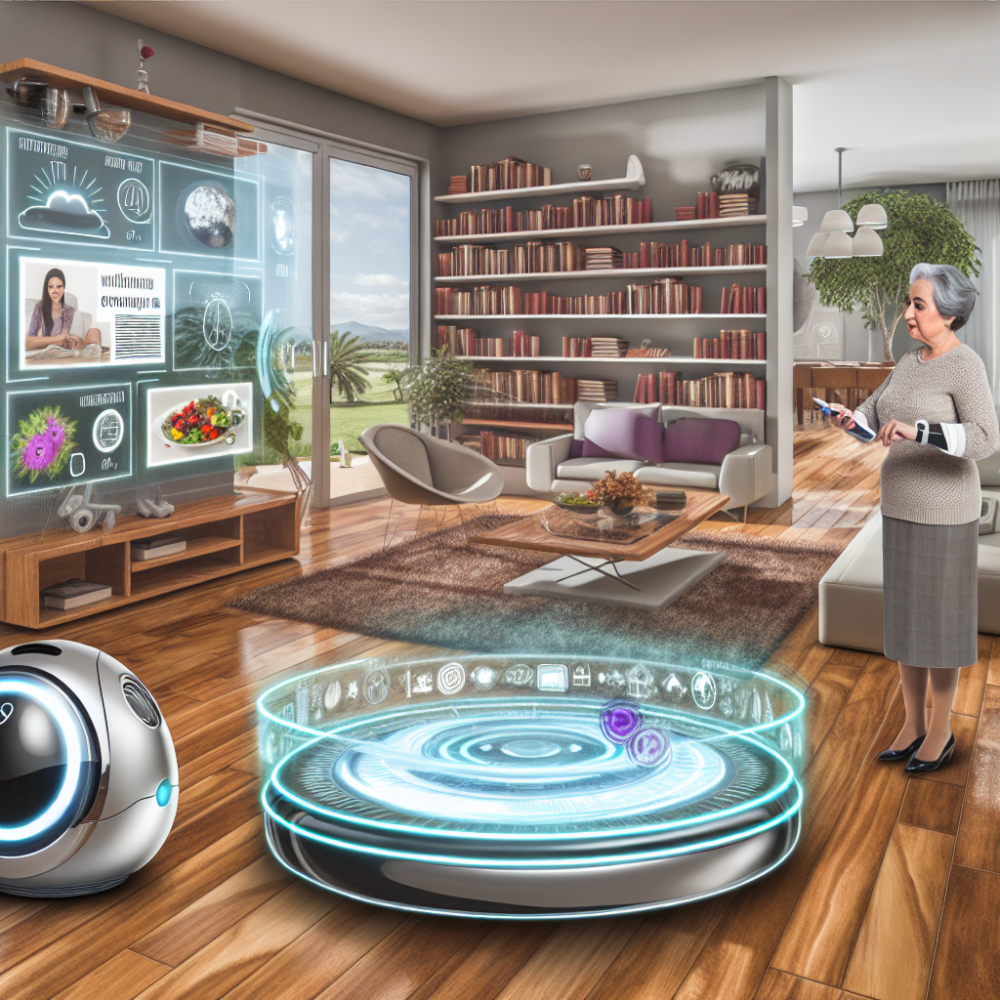

As we step into the future, smart home devices continue to evolve and revolutionize the way we live and work. In this article, we will explore the latest AI tools that are set to dominate the market in 2026, offering insights into how these technologies can maximize efficiency for businesses. We will also discuss the importance of choosing the right platform for your smart home integration, comparing website builders to help you make an informed decision. From ChatGPT alternatives to SEO trends for 2026, this article covers a range of topics including digital marketing strategies, website development costs, and cloud hosting services. Whether you are looking to improve your online presence or explore passive income strategies, this article has something for everyone. Join us as we delve into the world of smart home devices and discover how they can shape the way we live and work in the years to come.
1. The Future of Smart Home Devices: Best AI Tools for 2026
The future of smart home devices looks promising with the integration of advanced artificial intelligence (AI) tools. In 2026, we can expect to see a wide range of AI-powered devices that enhance the efficiency and convenience of our daily lives.
One of the best AI tools for smart home devices in 2026 is ChatGPT alternatives, which are AI chatbots that can communicate with users in a natural and intuitive manner. These chatbots can help automate tasks, provide personalized recommendations, and answer queries, making them a valuable addition to any smart home setup.
In terms of SEO trends for 2026, AI tools for business will play a crucial role in optimizing websites for search engines. These tools can analyze data, predict trends, and suggest strategies to improve a website's visibility and ranking on search engine results pages.
When it comes to website development, the best website builders in 2026 will likely offer advanced AI capabilities that make it easier for users to create and customize their websites. These AI-powered tools can help streamline the development process, reduce costs, and improve the overall user experience.
Cloud hosting services will continue to be an essential component of smart home devices in 2026, providing reliable and secure storage solutions for data and applications. Web hosting comparison tools powered by AI will help users find the best hosting services based on their specific needs and requirements.
In the realm of ecommerce, AI-powered platforms will be key players in 2026, offering advanced features such as personalized product recommendations, automated marketing campaigns, and predictive analytics to drive sales and improve customer satisfaction.
For those looking to earn money online, passive income strategies supported by AI tools will be a popular choice in 2026. Whether through affiliate marketing, online courses, or stock market investments, AI tools can help optimize strategies and maximize returns.
Overall, the future of smart home devices in 2026 looks bright with the integration of advanced AI tools that enhance convenience, efficiency, and user experience. Keep an eye out for these innovative technologies as they continue to evolve and transform the way we interact with our homes and devices.
2. Maximizing Efficiency: How Smart Home Devices Can Revolutionize Your Business with AI Tools
Smart home devices not only enhance the convenience and comfort of our personal lives, but they also have the potential to revolutionize businesses through the integration of AI tools. By leveraging AI technology within smart home devices, businesses can streamline operations, increase efficiency, and improve overall productivity.
One of the key benefits of integrating AI tools into smart home devices is the ability to automate various tasks and processes. For example, AI-powered virtual assistants like ChatGPT alternatives can help businesses with tasks such as scheduling appointments, answering customer inquiries, and even providing personalized recommendations based on data analysis. This level of automation can save time and resources, allowing employees to focus on more strategic and high-value tasks.
With the advancements in AI tools for business, businesses can also utilize data analytics to make informed decisions and optimize their operations. By analyzing data collected from smart home devices, businesses can gain valuable insights into customer behavior, trends, and preferences. This information can be used to tailor marketing strategies, improve customer experience, and drive sales.
In addition to AI tools, businesses can leverage SEO trends in 2026 to optimize their online presence and attract more customers. By utilizing digital marketing strategies, businesses can increase their visibility on search engines, drive traffic to their websites, and generate leads. Investing in website development cost and utilizing the best website builders can further enhance a business's online presence and credibility.
Furthermore, businesses can benefit from cloud hosting services to ensure reliable and secure storage of data, as well as web hosting comparison to find the best hosting solution for their needs. Whether choosing between WordPress vs Webflow for website development or evaluating different ecommerce website platforms, businesses can find the tools and resources necessary to succeed in the digital marketplace.
Overall, smart home devices integrated with AI tools offer businesses a range of opportunities to maximize efficiency, improve performance, and stay ahead of the competition. By embracing new technologies and implementing innovative strategies, businesses can unlock their full potential and achieve long-term success in today's rapidly evolving digital landscape.
3. Choosing the Right Platform: A Comparison of Website Builders for Your Smart Home Integration
When it comes to integrating smart home devices into your home, choosing the right platform is crucial for a seamless and efficient experience. One of the key aspects to consider is the website builder you choose to use for your smart home integration. Website builders provide the tools and features needed to create and manage a website, which can be essential for controlling your smart home devices remotely.
There are several website builders available in the market, each with its own set of features and capabilities. Some popular options include WordPress, Webflow, Wix, Squarespace, and Shopify. When comparing these platforms for smart home integration, it's important to consider factors such as ease of use, customization options, integration with smart home devices, and overall cost.
WordPress is a widely used platform known for its flexibility and customization options. It offers a wide range of plugins and themes that can help you easily integrate smart home devices into your website. Webflow, on the other hand, is a more advanced platform that allows for more customization and design control, making it a great option for users looking to create a unique and visually appealing smart home integration website.
Wix and Squarespace are known for their user-friendly interfaces and drag-and-drop functionality, making them ideal for beginners and users with limited technical knowledge. Shopify, on the other hand, is a popular choice for ecommerce websites and can be a good option for integrating smart home devices for online sales.
When choosing a website builder for your smart home integration, it's important to consider your specific needs and budget. Consider factors such as the level of customization required, integration with smart home devices, and ongoing maintenance and support. Additionally, consider the overall cost of the platform, including any additional fees for plugins or premium features.
In conclusion, choosing the right website builder is essential for successfully integrating smart home devices into your home. By carefully evaluating the features and capabilities of each platform, you can find the best option that meets your needs and helps you create a seamless and efficient smart home experience.